Clinical & Lab
Phlebotomy Technician
Also known as Phlebotomist
Drawing blood for labs, transfusions, research, and donations.
Overview
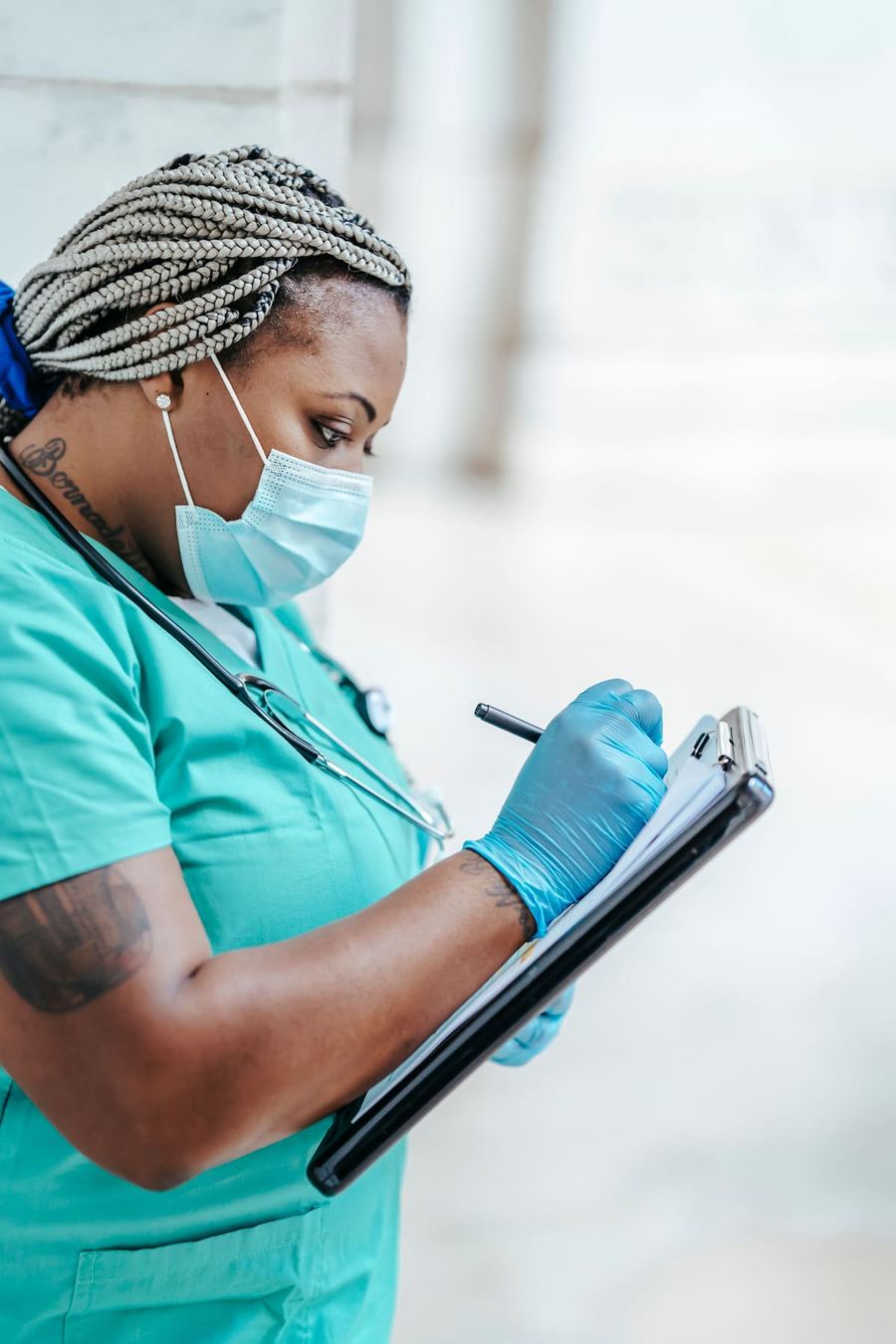
Phlebotomists draw blood for labs, transfusions, research, or donations, and are trained to handle samples safely while keeping nervous patients calm. Much of the skill is in the people part — a steady, reassuring manner matters as much as a clean stick.
Education & Training Requirements
A phlebotomy certificate program, which pairs classroom instruction with a set number of supervised live draws.
Where to Get Trained
Adult schools, community colleges, and vocational programs.
Certification & Licensing
National certification (e.g. NHA, ASCP) is required or strongly preferred in most states; a few states, including California, require state-specific certification.
Exact requirements vary by state. Confirm what applies to you with your own state board or licensing agency before enrolling or paying for a program.
Typical Timeline
A few weeks to a few months.
Where This Can Lead
Phlebotomy is a fast way into a hospital or lab, and often leads on to medical laboratory technician, medical assistant, or donor center roles.